
The COVID-19 pandemic reshaped the world in unprecedented ways. From its first reported cases in late 2019 to global lockdowns, overwhelmed healthcare systems, and eventual mass vaccination, the story of COVID-19 is one of science, resilience, and global cooperation. This blog offers a simplified yet comprehensive overview of how the virus evolved, how it impacted human health, and what steps we can take to prevent such outbreaks in the future.
Brief History of COVID-19
Where It All Began
COVID-19, short for “Coronavirus Disease 2019,” was first identified in December 2019 in Wuhan, China. It is caused by a virus named SARS-CoV-2, a novel strain of coronavirus previously unknown to humans. Coronaviruses are a large family of viruses that can cause illnesses ranging from the common cold to more severe diseases like SARS and MERS.
Global Spread
By early 2020, the virus had spread rapidly across countries, prompting the World Health Organization (WHO) to declare it a global pandemic on March 11, 2020. Travel bans, quarantine protocols, and nationwide lockdowns followed, marking one of the most challenging global health crises in modern history.
How COVID-19 Evolved Over Time
Mutation and Variants
Like all viruses, SARS-CoV-2 mutated over time. Some of these mutations led to new variants such as Alpha, Delta, and Omicron. Each variant varied in transmissibility and severity. The Delta variant was associated with higher hospitalization rates, while Omicron spread faster but generally caused milder symptoms.
Waves of Infection
Most countries experienced multiple “waves” of COVID-19 cases, with peaks and valleys influenced by public behavior, virus mutations, and preventive measures. Hospitals were stretched thin during peaks, and vulnerable populations—especially the elderly and those with existing medical conditions—were most affected.
Medical Aspects of COVID-19 (Explained in Simple Terms)
How the Virus Affects the Body
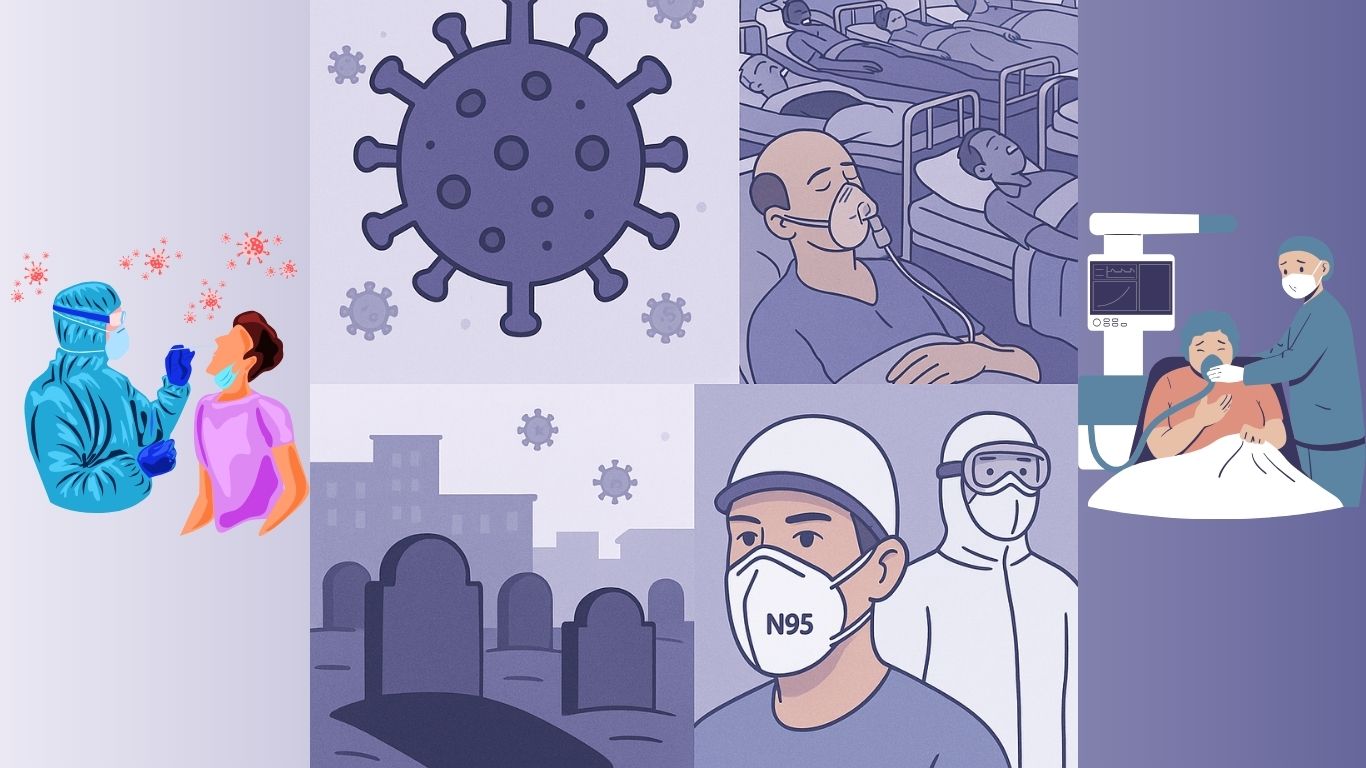
COVID-19 mainly attacks the lungs but can affect other parts of the body too. It spreads through droplets when an infected person coughs, sneezes, or talks. Once inside, the virus can cause symptoms like fever, cough, tiredness, and loss of taste or smell. In severe cases, it can lead to breathing difficulty and pneumonia.
Why Some People Got Sicker Than Others
While many recovered with mild symptoms, others—especially those with diabetes, heart disease, or low immunity—became very sick. Their bodies couldn’t fight off the virus as well, leading to complications like lung failure, blood clots, or multi-organ damage.
Treatments and Medical Response
Initially, treatment focused on supportive care—oxygen, fluids, and fever control. Later, antiviral drugs like Remdesivir and steroid medications like Dexamethasone helped reduce severity in serious cases. Critical patients were often placed on ventilators.
How COVID-19 Was Controlled
Vaccination Campaigns
Vaccines played a crucial role in controlling the pandemic. Countries rolled out vaccines in phases, prioritizing healthcare workers, the elderly, and high-risk individuals. Vaccines like Pfizer, Moderna, Covishield, and Covaxin helped reduce both the chances of infection and severity of illness.
Public Health Measures
Governments and health agencies emphasized mask-wearing, physical distancing, regular handwashing, and avoiding crowded places. These measures significantly slowed the spread of the virus when followed diligently.
Testing and Isolation
Widespread testing and contact tracing allowed quick identification of infected individuals. Isolating them prevented further transmission and helped flatten the curve in many regions.
Preventive Measures for Future Pandemics
1. Strengthen Healthcare Infrastructure
Hospitals and clinics must be better equipped to handle surges in patient load. Investments in ICU beds, oxygen supply, and trained medical staff are essential.
2. Global Cooperation and Early Alerts
Timely sharing of information between countries and health organizations can help detect outbreaks early and coordinate a quick response.
3. Promote Personal Hygiene
The simple habits of handwashing, mask usage during illness, and maintaining cleanliness can drastically reduce the spread of infections.
4. Encourage Scientific Research
More funding for research into viruses, vaccines, and treatments ensures quicker discovery and deployment of life-saving solutions in future crises.
5. Combat Misinformation
Public trust in science is crucial. Governments and media should promote verified health information to prevent panic and confusion during outbreaks.
Final Thoughts
COVID-19 taught the world many hard lessons, but it also showcased the power of human innovation and unity. By remaining vigilant, supporting scientific advancement, and embracing community health practices, we can be better prepared for any future pandemics.