

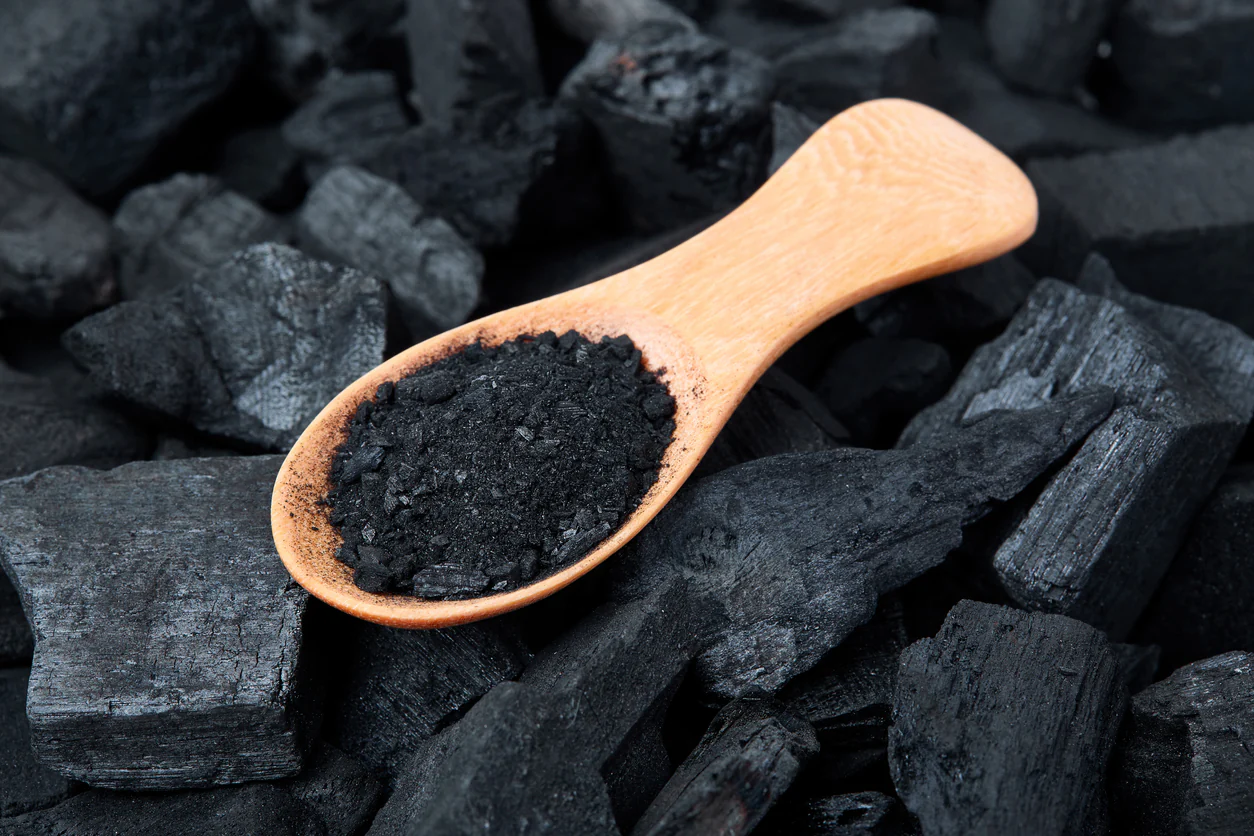
From sizzling barbecues to sophisticated industrial processes, charcoal plays a surprisingly significant role in our modern world. Often simply associated with grilling, its unique properties and sustainable production are making it an increasingly valuable resource across diverse industries. In this comprehensive guide, we delve into the multifaceted applications of charcoal, its production methods, environmental benefits, and why Australia is emerging as a key player in the supply of high-quality, organic charcoal.
Australia, with its vast natural resources and growing focus on sustainable practices, is becoming a notable hub for ethically sourced and organically produced charcoal. Let’s explore why this “black gold” is so sought after and where you can find reliable suppliers, including Suvita.com.au, a prominent Australian provider.
The Many Faces of Charcoal: Diverse Applications Across Industries
Charcoal’s unique properties – high carbon content, large surface area, porosity, and ability to burn at high temperatures with minimal smoke – lend themselves to a wide array of applications:
1. Fuel and Energy:
- Barbecues and Grilling: This is perhaps the most well-known use. Charcoal briquettes and lump charcoal provide intense heat and a distinct smoky flavor to food, making them a favorite for outdoor cooking enthusiasts.
- Traditional Heating: In some regions, charcoal is still used as a primary heating source in homes and for cooking.
- Industrial Fuel: Certain industrial processes requiring high temperatures utilize charcoal as a cost-effective and sometimes more sustainable fuel source compared to fossil fuels.
2. Industrial Applications:
- Metallurgy: Charcoal acts as a reducing agent in the smelting of metals, helping to extract pure metals from their ores. It is crucial in the production of steel and other metals.
- Manufacturing of Silicon Carbide: High-quality charcoal is a key ingredient in the production of silicon carbide, an extremely hard ceramic material used in abrasives, cutting tools, and high-temperature applications.
- Production of Activated Carbon: This is a significant application. Activated carbon, derived from charcoal or other carbonaceous materials, undergoes a process to significantly increase its surface area and porosity. This makes it an exceptional adsorbent, used for:
- Water Purification: Removing impurities, chlorine, and organic pollutants from drinking water and wastewater.
- Air Filtration: Capturing odors, volatile organic compounds (VOCs), and harmful gases in air purifiers and industrial filtration systems.
- Medical Applications: Treating certain types of poisoning by adsorbing toxins in the digestive system.
- Industrial Processes: Decolorizing liquids, purifying chemicals, and recovering solvents.
3. Agricultural and Environmental Uses:
- Biochar: This is charcoal specifically produced for use as a soil amendment. Biochar enhances soil fertility by improving water retention, nutrient availability, and carbon sequestration. It can also reduce the need for chemical fertilizers and pesticides. Australia is at the forefront of biochar research and application, recognizing its potential for sustainable agriculture.
- Animal Feed Supplement: In some instances, activated charcoal is added to animal feed to aid digestion and absorb toxins.
4. Art and Craft:
- Drawing and Sketching: Charcoal sticks and pencils are popular art mediums known for their rich blacks, ease of blending, and ability to create expressive marks.
The Usability and Advantages of Charcoal
Charcoal’s widespread use stems from several key advantages:
- High Heat Output: Charcoal burns at a significantly higher temperature than wood, making it ideal for applications requiring intense heat.
- Low Smoke Production (Good Quality Charcoal): Well-produced charcoal burns with minimal smoke, which is crucial for grilling, indoor heating (where applicable), and certain industrial processes.
- High Carbon Content: This is essential for its role as a reducing agent in metallurgy and the production of high-purity carbon materials.
- Porosity and Surface Area (Especially Activated Carbon): This is the key to its exceptional adsorption capabilities in purification and filtration.
- Renewable Resource Potential: When produced sustainably from responsibly managed forests or agricultural waste, charcoal can be a renewable and environmentally friendly alternative to fossil fuels.
- Carbon Sequestration (Biochar): The production and application of biochar can actively remove carbon dioxide from the atmosphere and store it in the soil.
From Wood to Wonderful: The Production of Charcoal
The fundamental process of charcoal production involves pyrolysis, which is the thermal decomposition of organic material (usually wood) in the absence of oxygen. This prevents combustion and leaves behind a carbon-rich residue – charcoal.
There are several methods employed for charcoal production:
- Traditional Earth Mounds: This ancient method involves stacking wood in a mound, covering it with earth and allowing it to smolder slowly with limited oxygen. While simple, it is often inefficient and can release significant emissions.
- Kilns: More controlled than earth mounds, kilns (both permanent and temporary structures) allow for better regulation of airflow and temperature, leading to more efficient charcoal production and reduced emissions.
- Retorts: These are sealed metal containers where wood is heated indirectly. Retorts offer the highest level of control, maximize charcoal yield, and allow for the capture of valuable byproducts like wood vinegar and wood tar. This method is often favored for producing high-quality charcoal with minimal environmental impact.
- Modern Continuous Pyrolysis Reactors: These advanced systems allow for continuous feeding of feedstock and extraction of charcoal, offering high efficiency and precise control over the process. This technology is increasingly used for biochar production.
The quality of the starting material significantly impacts the quality of the charcoal. Hardwoods generally produce denser, longer-burning charcoal than softwoods. The production process also influences the charcoal’s properties, such as its fixed carbon content, ash content, and volatile matter.
Australia: A Budding Hub for Organic and Sustainable Charcoal
Australia’s commitment to sustainable land management and its abundant renewable resources position it as a growing force in the organic and high-quality charcoal market. Several factors contribute to this:
- Strict Environmental Regulations: Australian forestry practices are often subject to stringent regulations, ensuring responsible harvesting and minimizing environmental impact.
- Growing Awareness of Sustainable Products: There is increasing consumer demand in Australia and internationally for ethically sourced and environmentally friendly products, including charcoal.
- Innovation in Biochar Technology: Australian researchers and companies are at the forefront of developing and implementing biochar technology, utilizing sustainably sourced biomass to create valuable soil amendments.
- Availability of Diverse Biomass: From sustainably managed native forests to agricultural and forestry waste streams, Australia has a diverse range of potential feedstocks for charcoal and biochar production.
Companies like Suvita.com.au are leading the way in providing high-quality charcoal products, often emphasizing sustainable sourcing and organic practices. By supporting Australian suppliers, consumers can contribute to a more environmentally responsible charcoal industry.
Reliable Sources for Quality Charcoal: Connecting with Suppliers
When sourcing charcoal, it’s crucial to choose reliable suppliers who prioritize quality and sustainability. Here are some avenues to explore, keeping Australia’s growing prominence in mind:
- Suvita.com.au: As mentioned earlier, Suvita.com.au offers a range of charcoal products, and exploring their website (https://suvita.com.au/) will provide insights into their offerings and commitment to quality.
- Specialized Barbecue and Outdoor Cooking Retailers: Many retailers specializing in barbecues and outdoor cooking equipment stock high-quality lump charcoal and briquettes from various suppliers, including Australian brands.
- Garden and Agricultural Supply Stores: These stores often carry biochar products from Australian manufacturers, highlighting the growing agricultural applications of charcoal.
- Industrial Suppliers: For bulk quantities of charcoal for industrial uses, contacting specialized industrial suppliers in Australia is recommended. Online directories and industry associations can be valuable resources.
- Other Renowned Charcoal Sellers (International): While focusing on Australia, it’s also worth noting some internationally recognized sellers known for quality and sustainable practices:
- FOGO Charcoal (USA): Known for its high-quality, all-natural lump charcoal.
- Kamado Joe Big Block Charcoal (USA): Popular among ceramic grill users for its long burn time.
- Weber Briquettes (Global): A widely recognized brand offering consistent quality briquettes.
- Please note that availability and sourcing practices may vary for international sellers in Australia.
When choosing a supplier, consider factors such as:
- Source of the Wood: Is it from sustainably managed forests, reclaimed wood, or agricultural waste?
- Production Method: Are they using efficient and environmentally responsible methods like retorts?
- Carbonization Level: Higher carbonization generally leads to better burning properties.
- Ash Content: Lower ash content is usually desirable.
- Certifications: Look for certifications related to sustainable forestry or organic production.
Conclusion: Embracing the Potential of Charcoal
Charcoal is far more than just a fuel for grilling. Its diverse applications across industries, coupled with its potential for sustainable production and environmental benefits (especially in the form of biochar), make it a valuable resource for the future. Australia is increasingly establishing itself as a reliable source of high-quality, organic charcoal, driven by its commitment to sustainability and innovation. By understanding the versatility of charcoal and supporting responsible suppliers like Suvita.com.au and other reputable Australian providers, we can harness the power of this “black gold” for a greener and more efficient future.